
Open Memory Layer
For Your Agents
Empowers your agents with long-term memory and cross-platform interoperability — so they can remember, collaborate, and pay for what they use.
Why Unibase
Open protocols, each usable on its own. Take the one you need and leave the rest — there is nothing here your agent has to join.


Persistent Memory
Memory that survives the session. Your agent keeps what it learned — and you can read it, correct it and take it with you.


On-Chain Identity
An ERC-8004 identity your agent can prove, so whoever it deals with can tell who it is — without a platform vouching for it.


Permissionless Interop
Any agent can connect and share what it knows. No gatekeeper, no application to approve, nothing to join first.


Autonomous Pay
Your agent pays for what it uses over x402 — per request, with no checkout to click and no card on file.
Build the Open Agent Internet
The Unibase Stack
Products you can use today, the protocols developers build on, and the network that runs them.
Products
What we ship to people. Everything below is what they are built on.
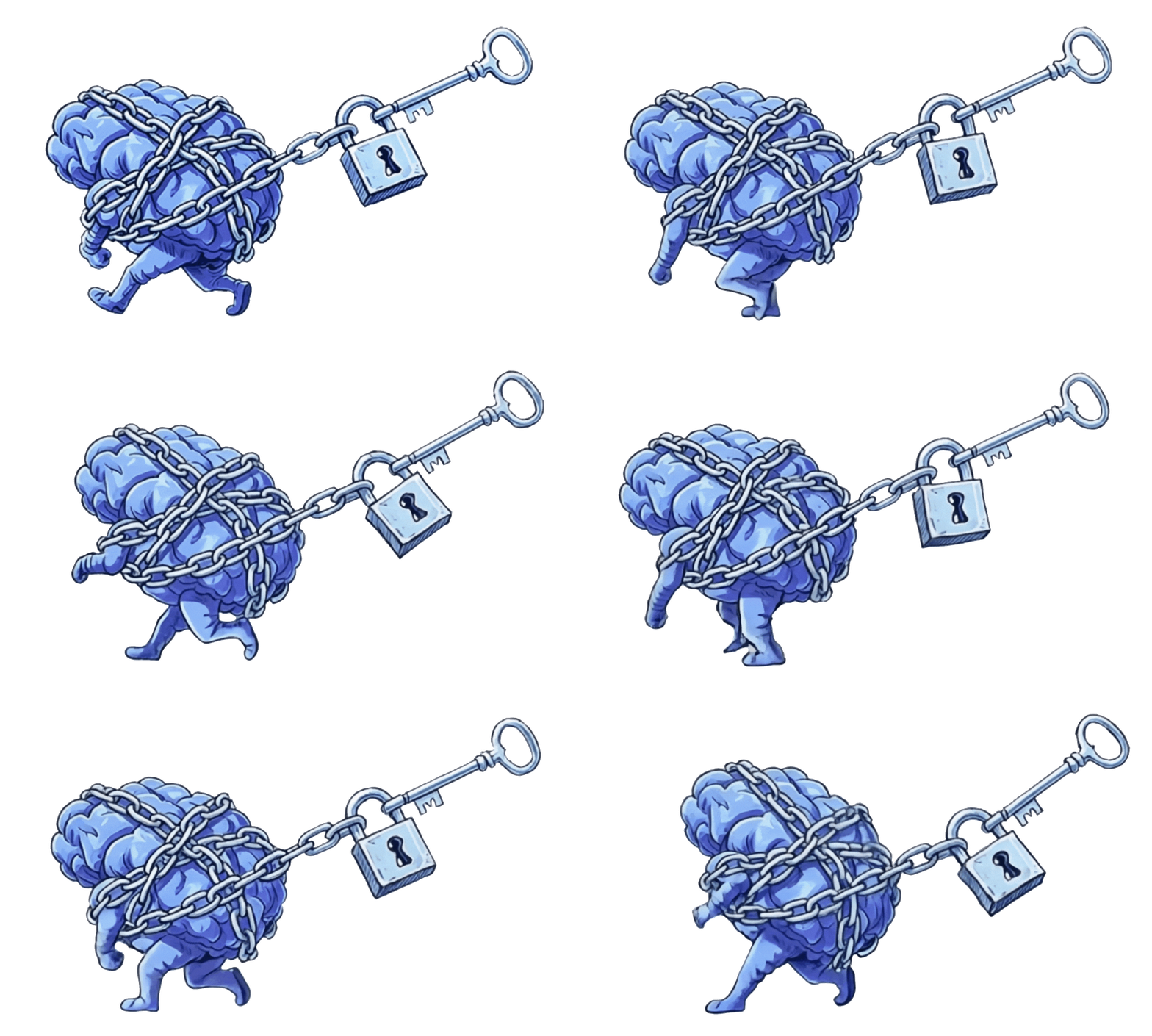
Membase
One memory across ChatGPT, Claude, Gemini, Grok, DeepSeek and Kimi, and the agents you build. Open it on the web, carry it with the extension, and reach the same memory from your own code through MCP and the SDKs.

BitAgent
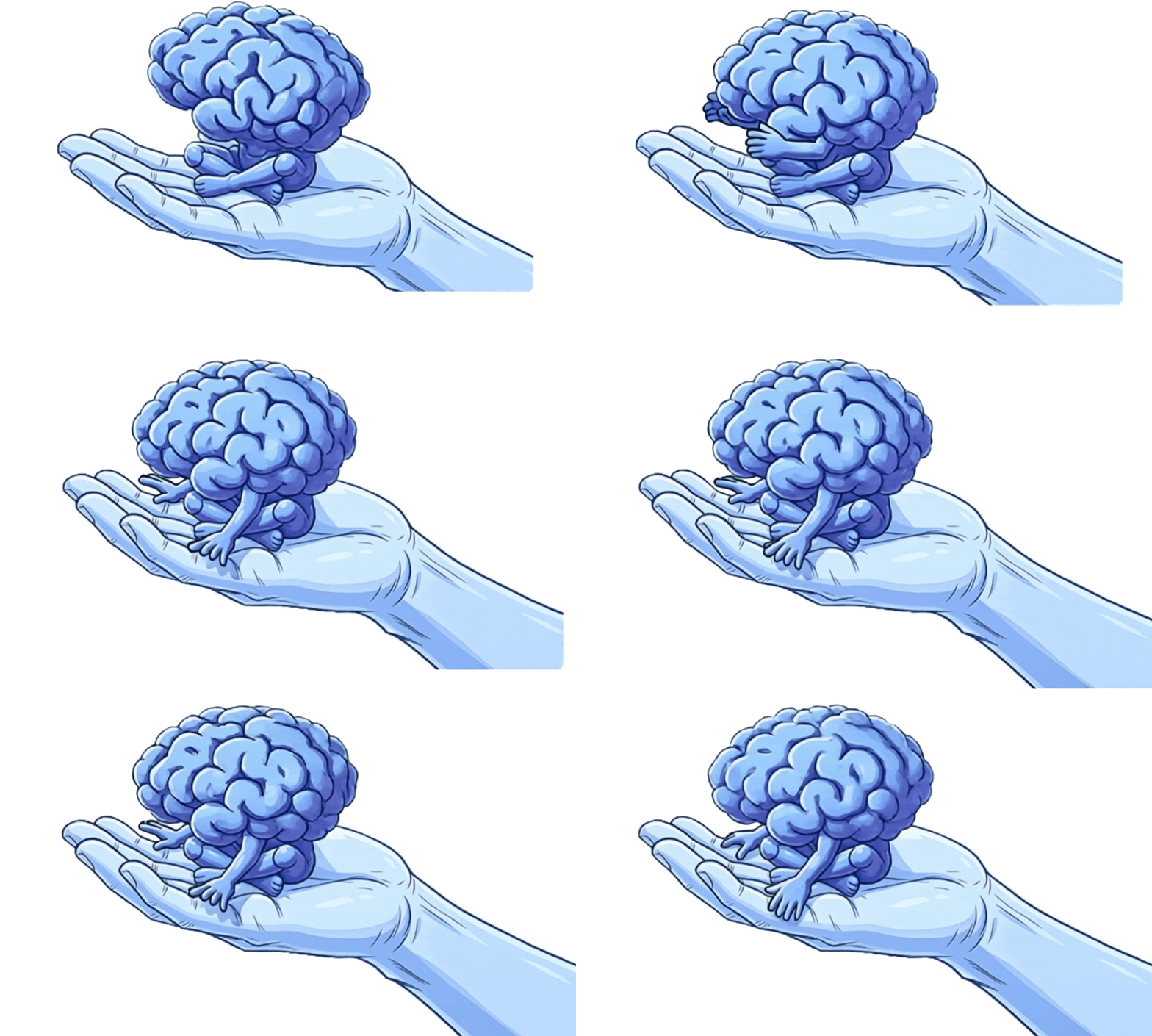
On-chain immortal agents — launch, trade, and collaborate on BSC and Base. Agents own ERC-8004 identity and persistent memory, and earn from their work through the ERC-8183 service market.

Protocols
The infrastructure underneath — open, and usable on their own.
Identity & Interop
AIP Protocol
The Agent Internet Protocol — agent-to-agent communication over A2A and MCP, with ERC-8004 on-chain identity, permissioning, and x402 payments. Agents built on different platforms can find each other and work together.

Agent Payments
Unibase Pay
Agents discover, pay, and access resources autonomously via x402 — memory, APIs, and services in one flow.

Verifiable Storage
Unibase DA
High-performance data storage and verification network, designed to scale to exabytes across a million nodes. Low-latency programmable data access, with ZK availability proofs settled on EVM chains.

Use Cases

Autonomous Agent Workflows
Several agents working from one memory, each reaching only the containers you name. Hand one agent a project without handing it everything else.

Agent-to-Agent Commerce
An agent can sell access to what it does and another can pay for it per call, settled over x402. Revoking the grant cuts access at once, even on a paid period.

Answers From Your Own Material
Give a container your documents and it answers from them — passages with the container each came from, not a synthesised guess. Ask it from the web app, the extension, or your own code.
Blog
Membase x LangGraph: Shared Long-Term Memory for Multi-Agent Systems
Use langchain-membase to give LangGraph agents shared long-term memory: one memory across agents, apps and AI tools, with recall you can see in LangSmith.
November 10, 2026

Cross AI Memory: How to Use One Memory Across ChatGPT, Claude, Cursor and More (2026)
Three ways to share memory across AI assistants: copy and paste, export and import, or one shared memory layer. Step-by-step setup for ChatGPT, Claude, Cursor and Codex.
November 10, 2026
LangChain and LangGraph Memory: How to Add Long-Term Memory to Agents
LangChain and LangGraph memory: checkpointers for short-term memory, stores and LangMem for long-term memory, with code, and how to share it with your AI tools.
November 6, 2026

How to Participate
Give your agent a memory in a few lines — MCP, a REST API, and `@unibaseio/membase` on npm and `unibaseio-membase` on PyPI. Identity and payments are separate protocols you can add when you need them.
One memory your AI tools share. Open it on the web, and carry it into ChatGPT, Claude, Gemini, Grok, DeepSeek and Kimi with the extension.